
Insulation Cladding Fabrication for Energy Efficient New Builds
In today’s climate it is vital that new builds meet certain sustainability standards and that more effective insulation techniques are being specified to ensure they are achieved. This has seen a rise in additional elements also being installed to ensure they are as insulated as possible.
For example, features such as insulation cladding fabrication have been specified and installed for new build schemes to add further thermal layering and work towards delivering an energy-efficient façade, so that heat loss is minimised and energy consumption is reduced.
What insulation cladding fabrication involves
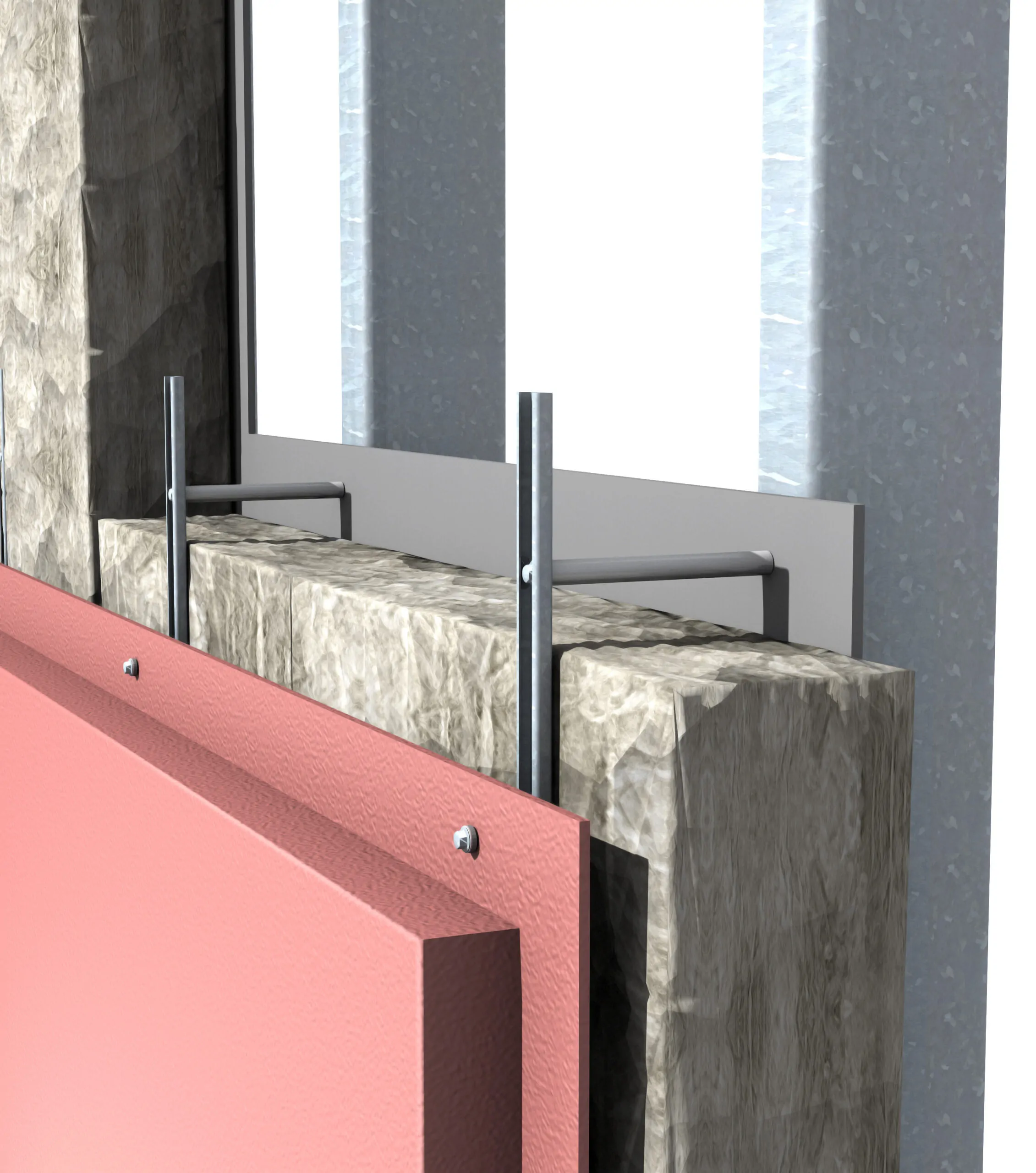
Insulation cladding fabrication is similar to standard manufacturing cladding systems but already has insulation integrated, making it simpler to install on site and arguably more efficient for buildings.
Because these systems are designed and built in a controlled factory setting, they can be tested to ensure they meet necessary standards and reduce material waste as everything is measured to fit precisely.
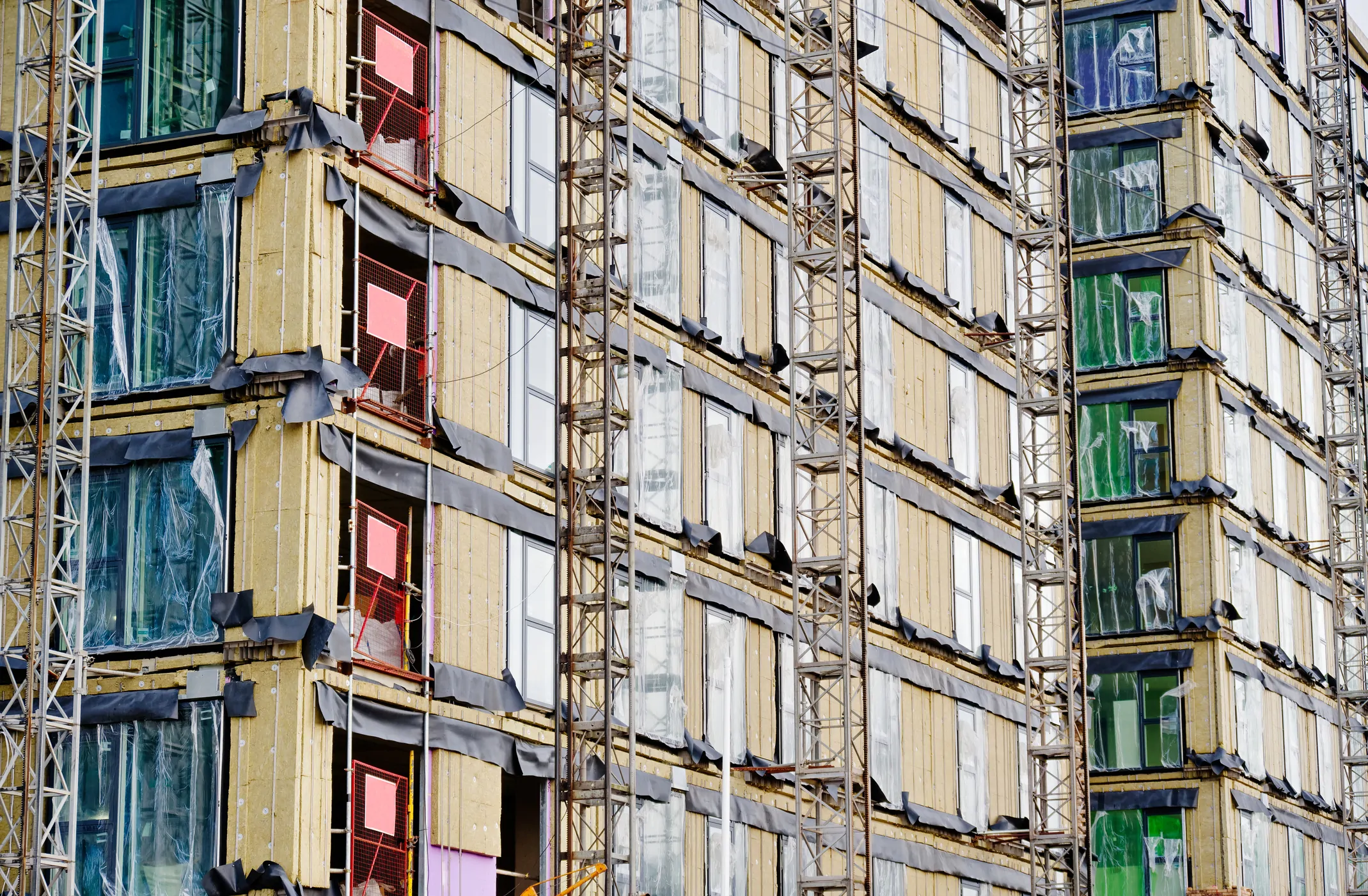
Thermal cladding for new build offices
Installing thermal cladding for new build offices ensures that the structure is protected from weathering and moisture problems, which could otherwise compromise the building’s longevity and therefore risk employees’ safety.
Implementing such systems can also improve the comfort of the internal space as it can reduce heat loss, so that the temperature stays consistent, allowing workers to concentrate on what matters most.
Thermal cladding for hospitals and public buildings
Hospitals and public buildings are often complex architectural designs with various additional structural elements which could prove difficult when effectively insulating the building. Installing thermal cladding systems to hospitals and public buildings can maintain energy performance where public comfort is of high priority.
Improving thermal efficiency in these buildings can also help reduce the risk of condensation and mould issues, which is essential when these particular buildings emphasise infection control.
Reducing thermal bridging through fabricated cladding systems
Despite thermal cladding systems supporting energy efficiency claims, they are susceptible to thermal bridging occurring as once it is installed, it disrupts the continuous insulation. This means that even though the insulation cladding fabrication is working towards reducing heat loss, energy can still transfer quite easily through these conductive bridges, weakening its efficiency.
To isolate these areas where thermal bridging could take place, solutions such as our Armatherm™ 500 can be installed in conjunction with cladding to achieve optimal efficiency and reduce overall heat loss by reinforcing the continuous insulation layer.

Frequently Asked Questions
What is insulation cladding fabrication?
Insulation cladding fabrication is the process of designing and manufacturing external wall cladding systems that already include insulation before they’re then installed onto a building.
Where is thermal cladding used in new build projects?
Thermal cladding can be used in various applications. It can be fixed to steel structures, various façade systems, floor to wall junctions and/or concrete slab edges to name a few. For new build projects like office buildings, hospitals and public spaces, thermal cladding is commonly specified surrounding structural elements or where additional thermal insulation is required.
How does fabricated cladding reduce thermal bridging?
Fabricated cladding can play an important role in helping to make a building more energy-efficient especially where insulation in wall cavities is poor and heat loss in these areas are high. But, in some applications, fabricated cladding needs to be installed in conjunction with thermal break solutions, to effectively reduce thermal bridging from occurring.
Other Articles& Projects
Insulation Cladding Fabrication for New Build Schemes
New Thermally Isolated Compression Sleeve for Reducing Thermal Bridging in Façade Fixings
High Performance Thermal Insulation for Structural Building Applications
Addressing Thermal Bridging in Retrofit Projects

Specifying the right material to meet legislations in modern construction
Armatherm upcoming events in 2025
Armatherm announces expansion with the opening of a third office

Solving Thermal Bridging Challenges with Armatherm™
Thermal Breaking in Brickwork Support Systems
Why Thermal Breaks Remain Safe Without Being Non-Combustible