

The majority of commercial buildings are designed with a flat roof, offering extra space for equipment such as HVAC units, roof screens and solar panels. Although this structure can provide extra space for these systems, the way in which the supporting elements that pass through the roof are connected to avoid energy transfer isn’t always considered.
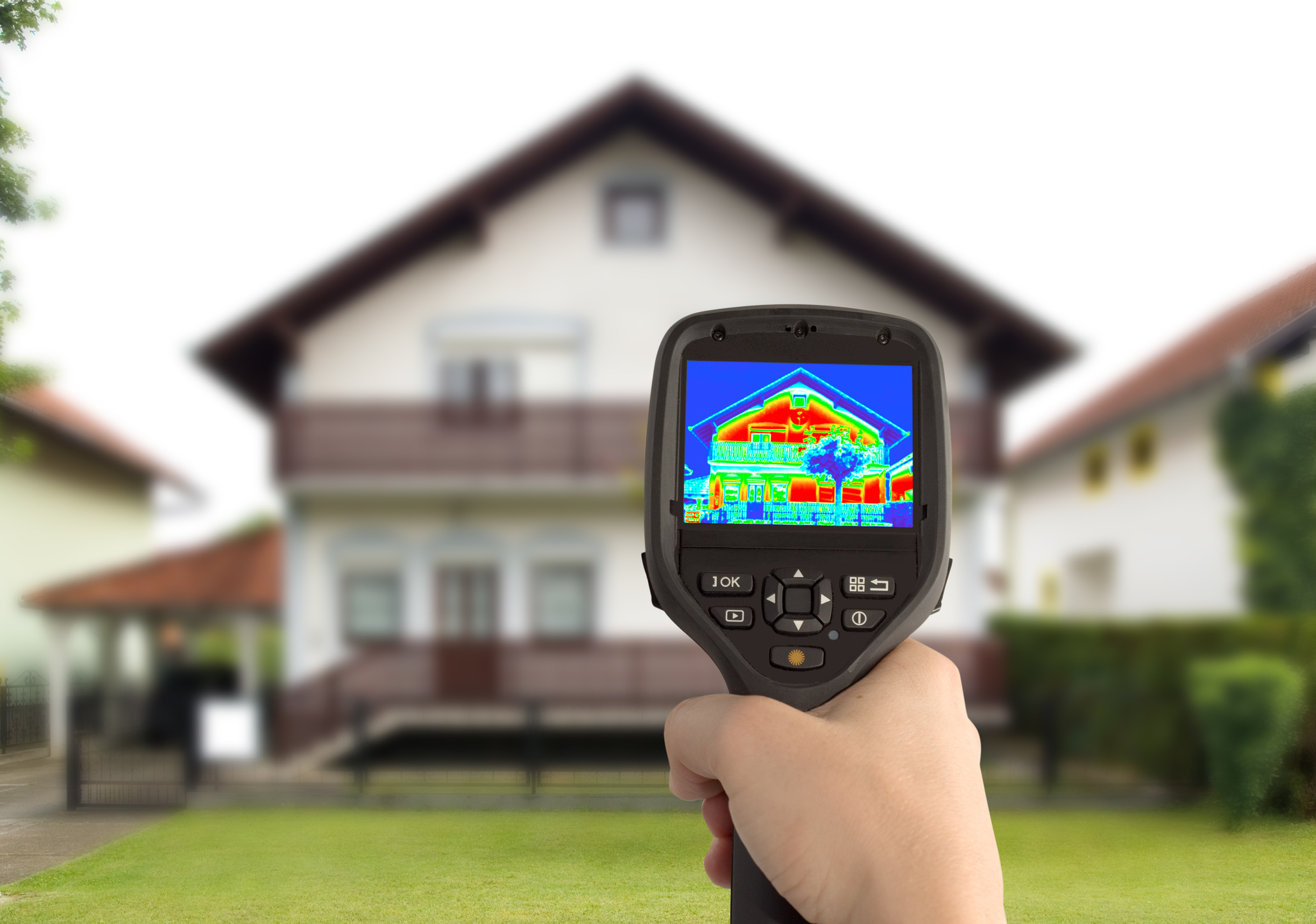
When it comes to thermal efficiency, any penetration within the building envelope, whether it be through a floor, wall, or roof has the potential to create a thermal bridge. This is a point within a structure where heat can easily transfer through the connection, causing energy loss and potential condensation. The roof is a key location where energy transfer can occur, particularly in commercial buildings where the installation of on-roof equipment is very common.
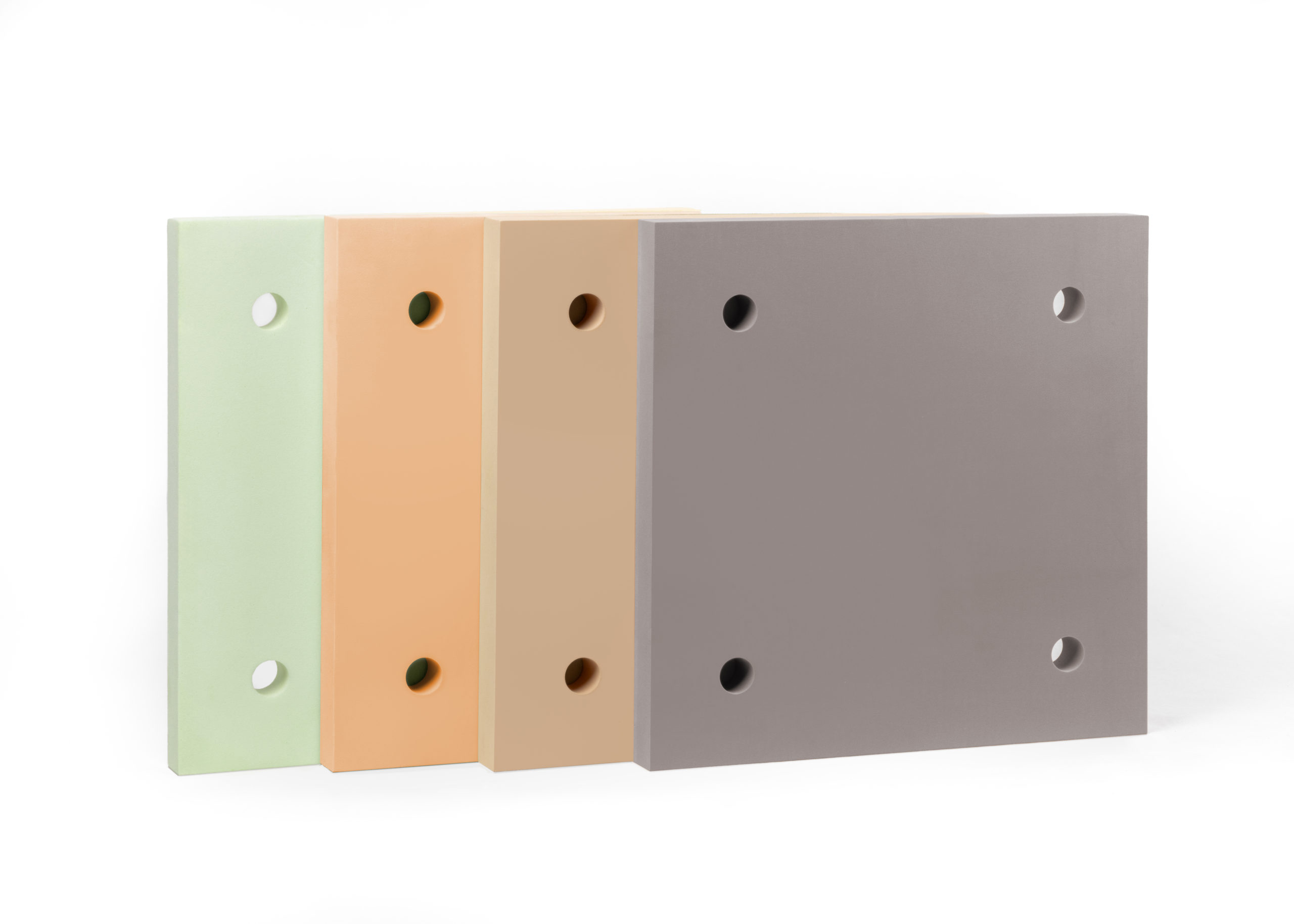
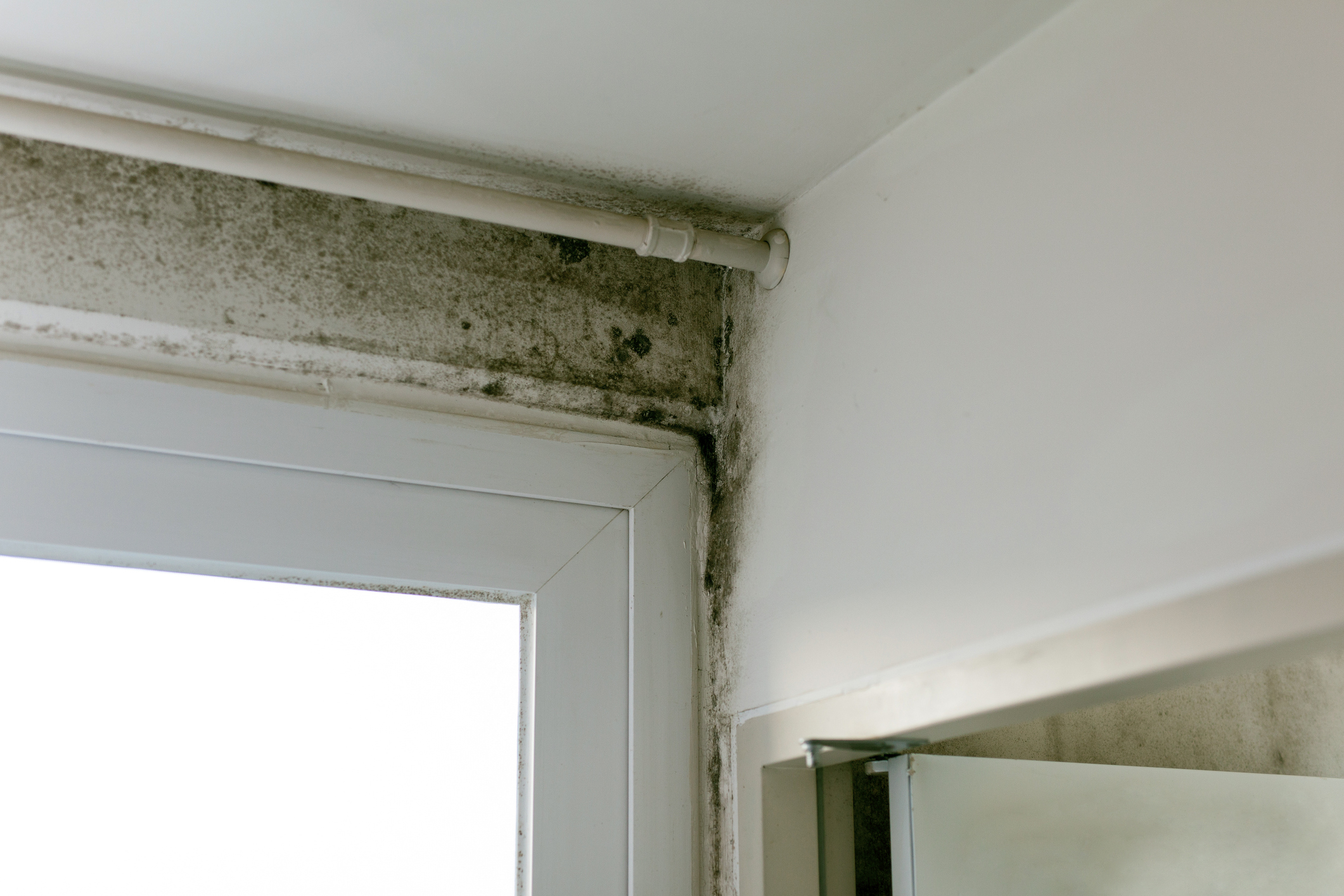
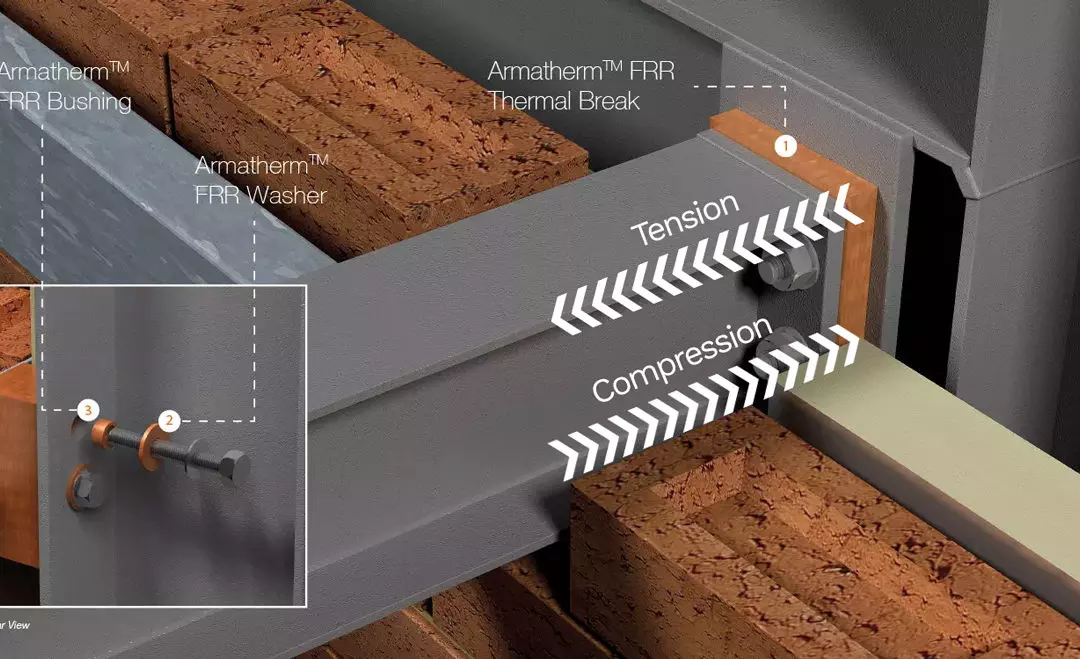
Armatherm™’ 500 structural thermal break material is an inert, closed-cell polymer that can transfer load while offering continuous insulation to maintain R value and prevent thermal bridges. It also helps to avoid condensation issues, which occur when cold temperatures are transferred indoors. It is not uncommon to see mould on ceilings where roofing systems have been installed, or the interior walls of buildings that feature a cladded façade or balcony, where cold surfaces have not been addressed correctly.
Using an Armatherm™ product within a roofing assembly can eradicate energy transfer issues to help keep the building energy efficient. Check out our products page to find out more.
Armatherm™ Minimize Energy Loss and Improve Building Envelope Performance
Other Articles& Projects
Solving Thermal Bridging Challenges with Armatherm™

Thermal Breaking in Brickwork Support Systems
Why Thermal Breaks Remain Safe Without Being Non-Combustible

Why stronger isn’t always better: Choosing the right thermal break for your construction project
Thermal Breaking in Cladding and Modern Construction: A Key to Energy Efficiency

The Impact of Thermal Bridging on Indoor Air Quality
Meeting Net Zero with Innovative Construction Solutions

Why Compressive Strength Matters in Thermal Breaks
Armatherm™ partners with Hanley Wood offering thermal bridging webinar