Why Retrofitting Is Essential for the UK’s Net Zero 2050 Goals
As the industry continues to advance towards sustainable construction and creating energy-efficient buildings to help in the race to net zero by 2050, there should also be time dedicated to the retrofitting of the UK’s currency property landscape, to ensure they also align with these low emission goals. This is because approximately 90% of buildings that will be used in 2050 are in fact already erected and aren’t as efficient as they need to be. Although, as a collective we’re making eco-conscious decisions, it is doubtful that the UK’s current properties will help reach net zero without undergoing retrofitting.
How Thermal Bridging Impacts Energy Efficiency in Existing Buildings
In most cases when retrofitting projects are underway, developers typically upgrade the insulation of the building or implement solutions like heat pumps to address efficiency issues. Despite this, these elements might not necessarily achieve the sustainability standards due to an overlooked problem – thermal bridging.
Can Thermal Bridging Be Reduced in Retrofitting Projects?
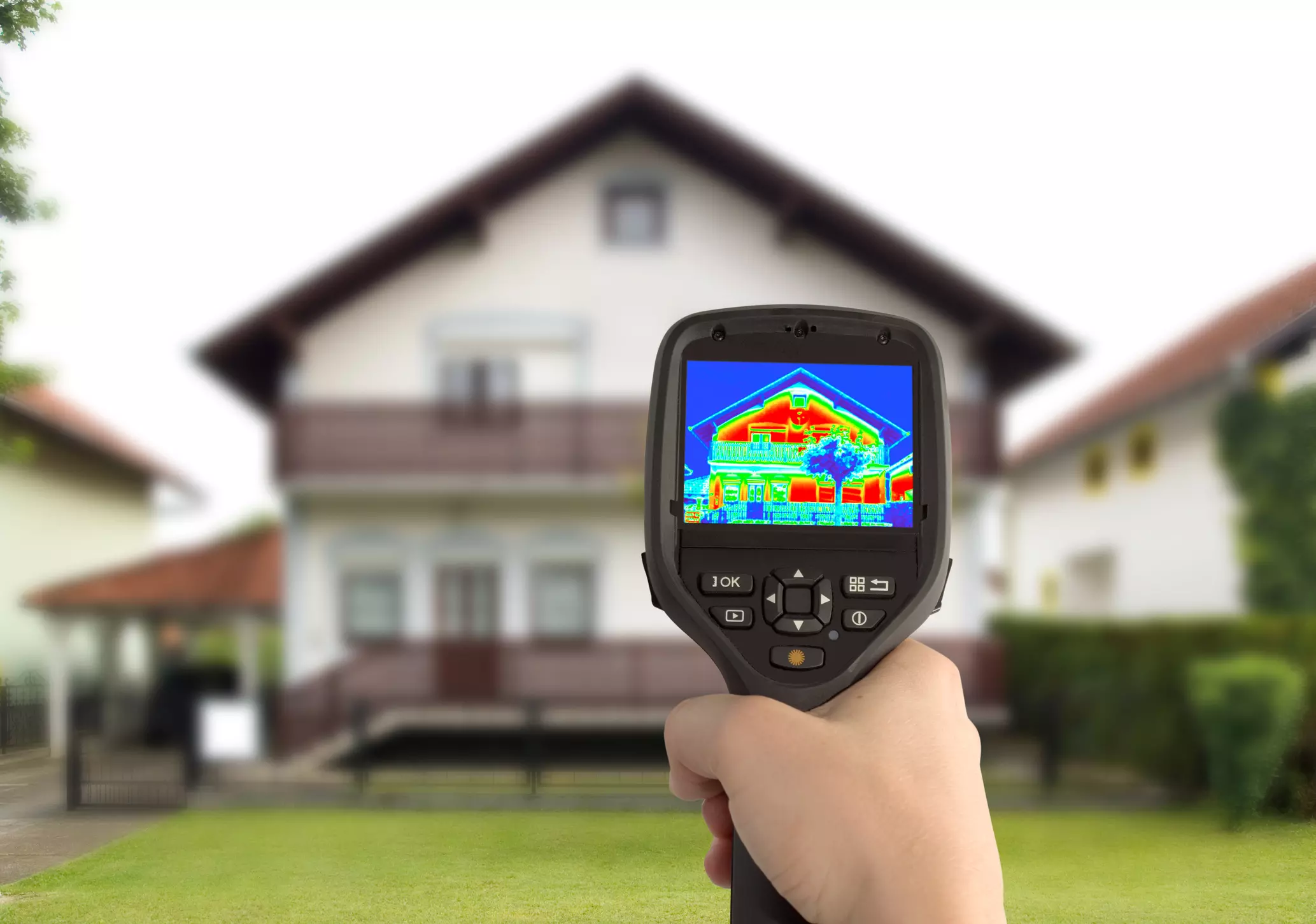
Responsible for up to 30% of heat loss through the building envelope, it is vital that in order to support net zero aims, that the problem is addressed. Even though it is more difficult to tackle thermal bridging once a building is erected, it is not impossible. Instead, improving the continuous insulation of the structure is the main priority, as thermal bridging occurs where this is disrupted.
What Makes Retrofitting Heritage Buildings More Challenging?
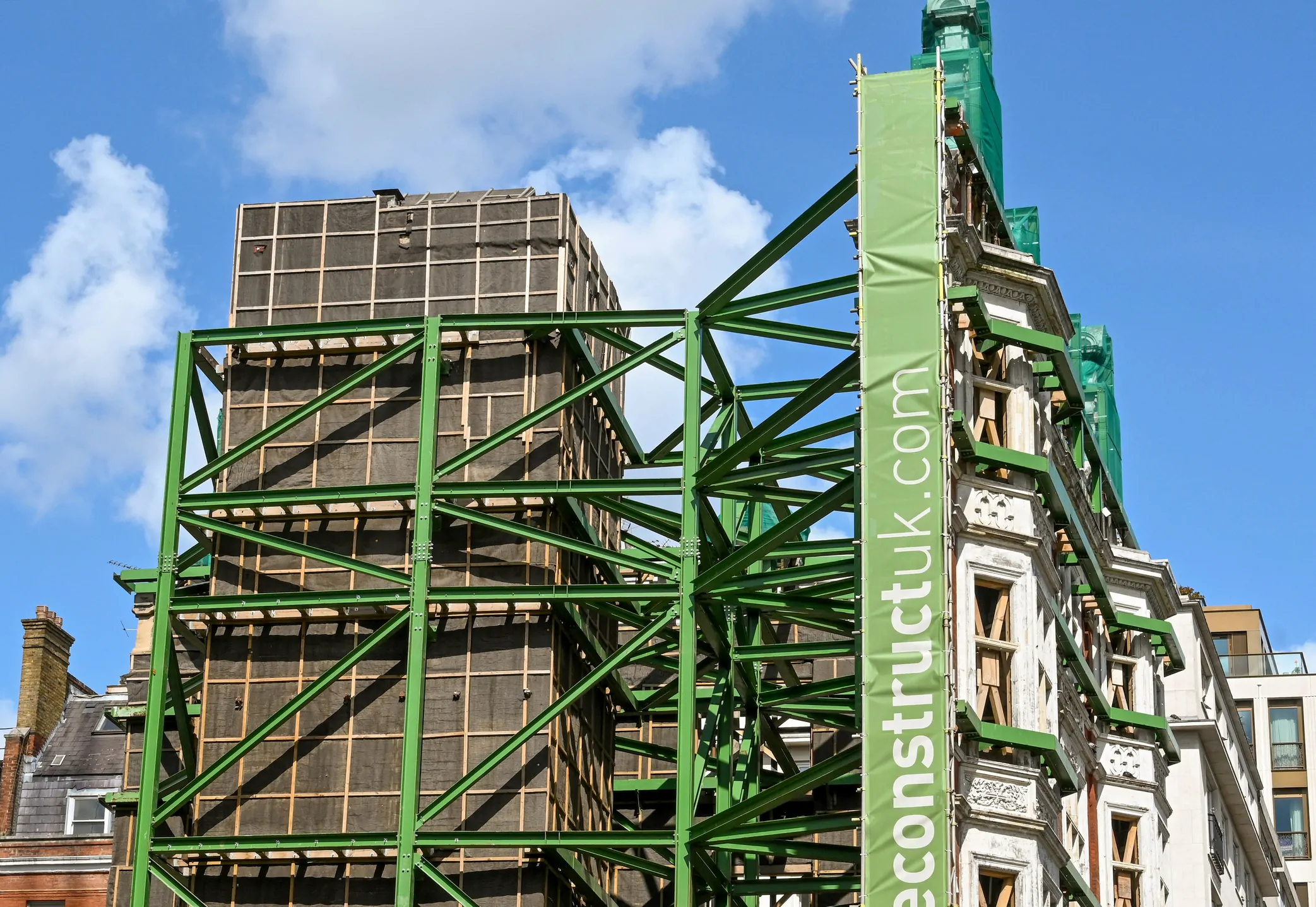
The approach for retrofit projects is unique as each building will have its own needs and requirements. For example, heritage buildings often have exposed parapet walls or uninsulated roof junctions that leak heat. In these cases, the roof is able to be removed before then installing a new one with thermal breaks situated in place. This doesn’t however eliminate the problem completely, but can significantly improve the overall efficiency of the building in comparison to before.
How Armatherm™ 500 Helps Achieve Continuous Insulation
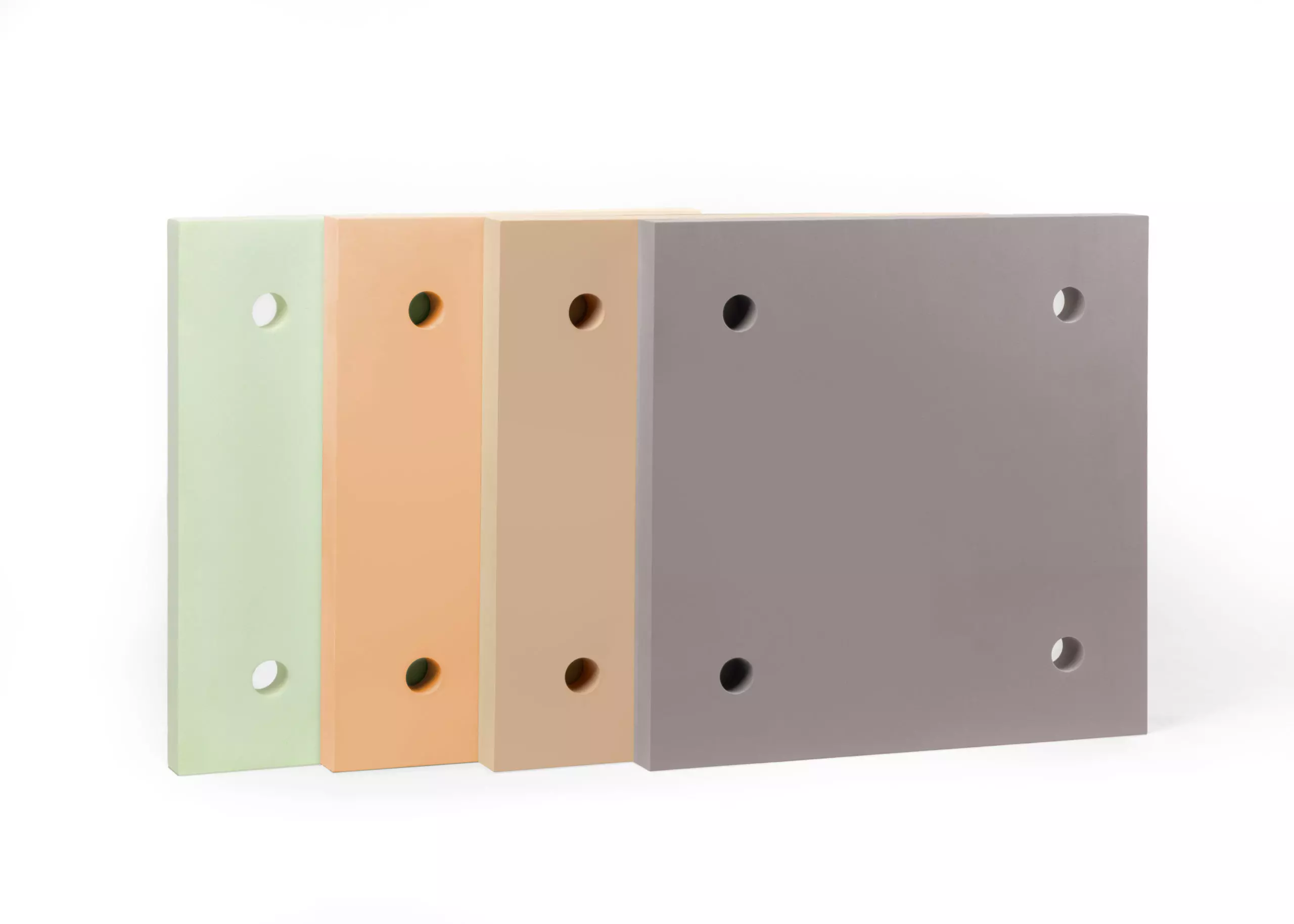
Armatherm™ 500 is an ideal material for retrofitting projects as it can be used in various applications and is essential for achieving continuous insulation. This is because it is a thermoset polyurethane material that when placed between high conductivity connections it interrupts the pathways where heat would otherwise flow out of a building. Its closed cell structure limits water absorption reducing the risk of condensation to the building, prolonging the longevity of the building.

Why Armatherm™ 500 Is Ideal for Complex or Custom Retrofit Applications
As mentioned before, retrofit projects are completely unique to the construction and with Armatherm™ 500, it can be custom cut and drilled on site to fit perfectly in the application required. Specifying Armatherm™ 500 for retrofitting gives you a product that is easy to install, flexibility with the project and a step towards improving the efficiency of existing structures.
Improve Building Performance with Armatherm™ 500
If you would like to find out more about how Armatherm™ 500 can be used in your upcoming retrofitting project, please contact the team on 01274 591 115 or email [email protected].
Other Articles& Projects
New Thermally Isolated Compression Sleeve for Reducing Thermal Bridging in Façade Fixings
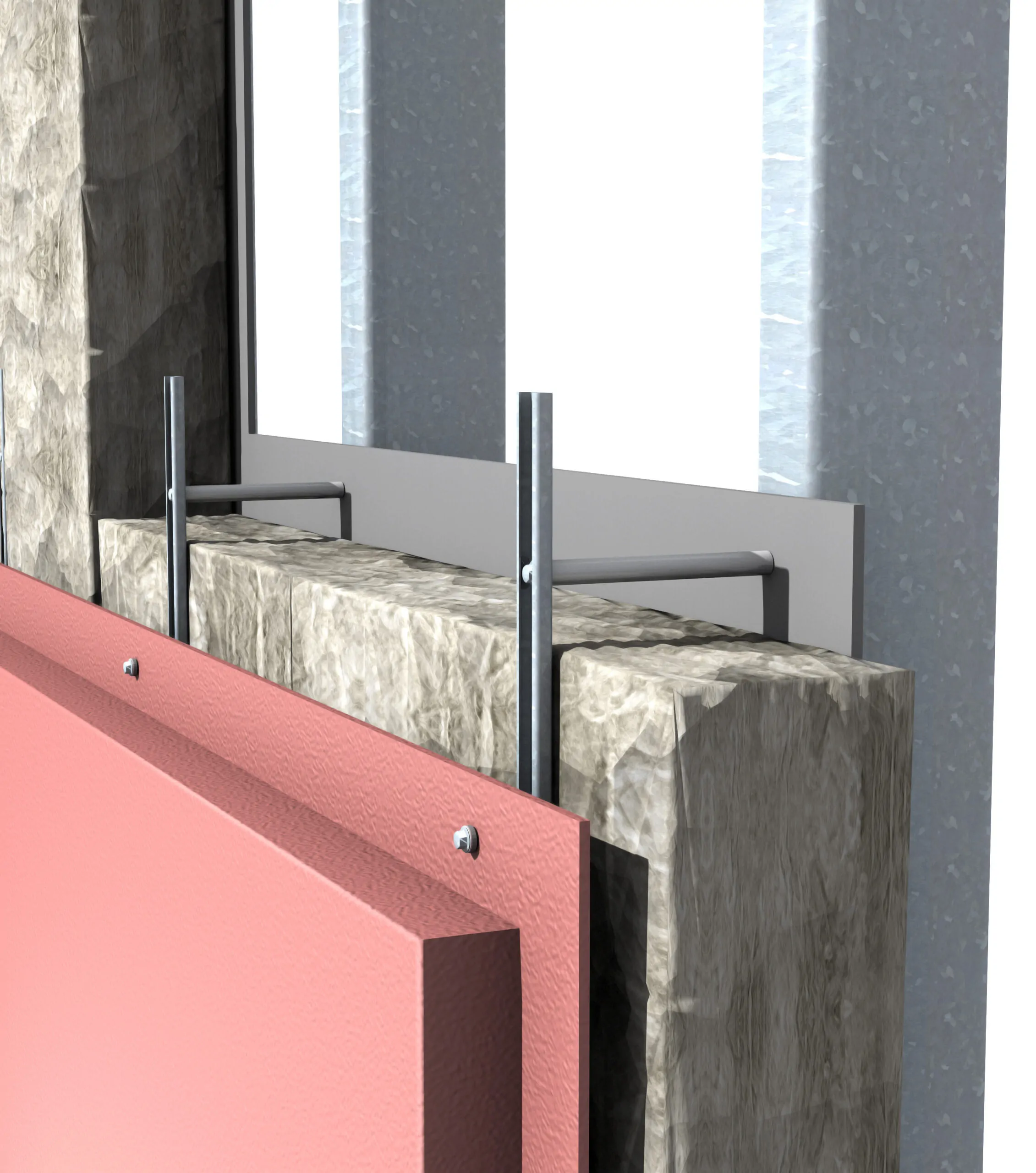
High Performance Thermal Insulation for Structural Building Applications
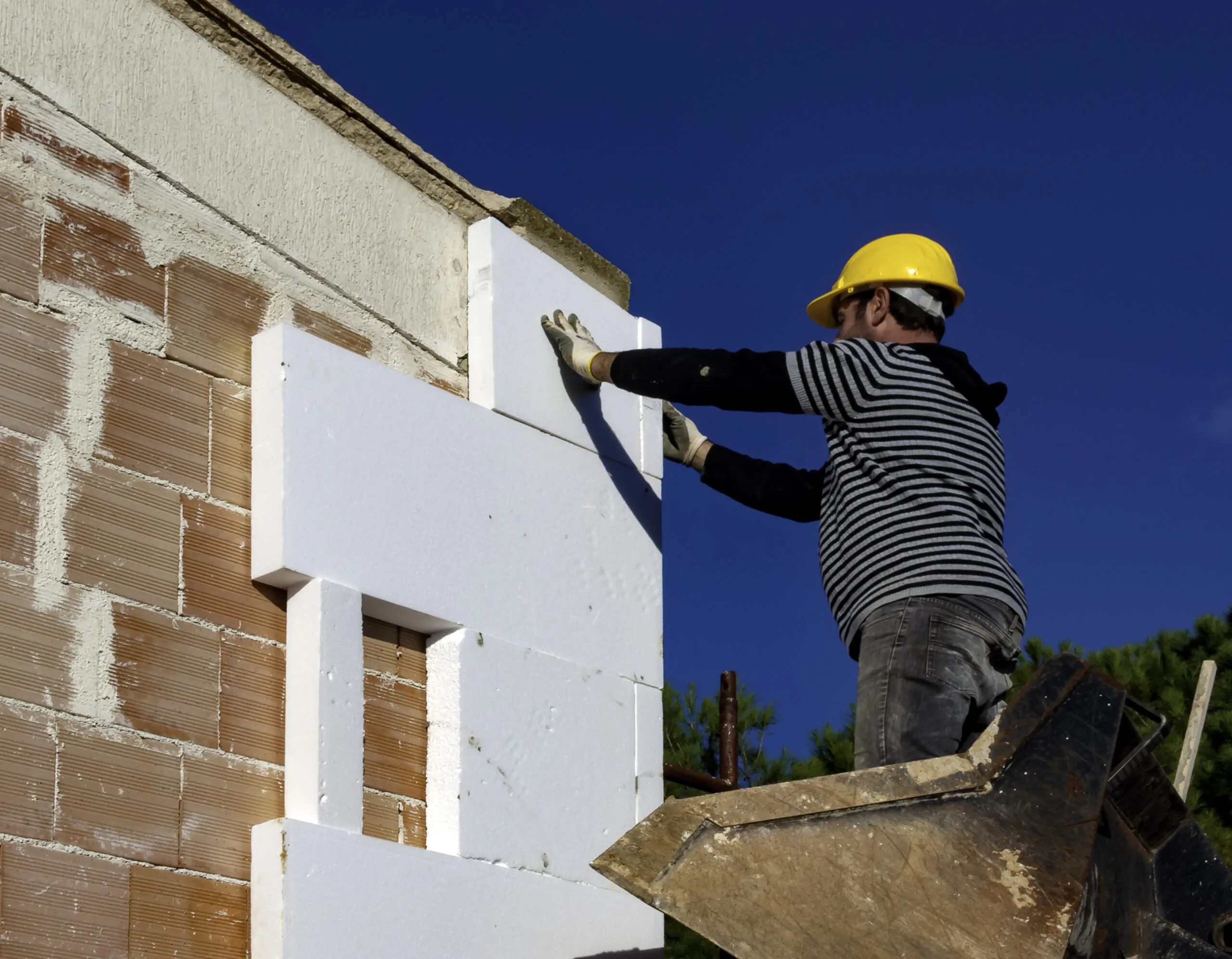
Addressing Thermal Bridging in Retrofit Projects
Specifying the right material to meet legislations in modern construction
Armatherm upcoming events in 2025
Armatherm announces expansion with the opening of a third office
Solving Thermal Bridging Challenges with Armatherm™
Thermal Breaking in Brickwork Support Systems
Why Thermal Breaks Remain Safe Without Being Non-Combustible

Why stronger isn’t always better: Choosing the right thermal break for your construction project